- Honest
- Fun
- Smart
- Likes the outdoors
- same religious values
- Outgoing
- Tall
- Attractive
- Personable
- Dependable
- Responsible
- Hard Working
- Good Humor
- Athletic
- Caring
- Loving
- Good with kids
- Likes dogs
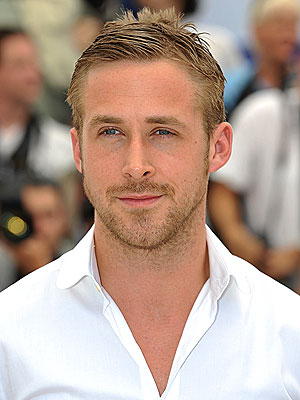


 In my view I think that it can be hard for some to find
their prince charming. I think that Pal had the wrong approach when deciding to
be lazy when looking for a spouse. For
example in one of my favorite Disney shows, Beauty
and the Beast, Belle is at first frightened by the beast and his hideous outward
appearance. At first the Beast was mean
and did not want to be kind because of the way he looked. Belle showed love towards him and was very persistent
and patient with him. This showed the beast
that he too could be kind, and he had a change of heart. Then Belle and the
Beast fell in love. That story is a
prime example of how we should not be lazy when searching for someone that we
can love and spend our lives with. Although Pal was lazy when choosing a mate, she
should not be lazy at all because she needs to find a good husband and being
lazy is not the way to do it. Therefore, I conclude that it may be harder
than it looks to find your prince charming, but if you stick with it you will
eventually find your true love.
In my view I think that it can be hard for some to find
their prince charming. I think that Pal had the wrong approach when deciding to
be lazy when looking for a spouse. For
example in one of my favorite Disney shows, Beauty
and the Beast, Belle is at first frightened by the beast and his hideous outward
appearance. At first the Beast was mean
and did not want to be kind because of the way he looked. Belle showed love towards him and was very persistent
and patient with him. This showed the beast
that he too could be kind, and he had a change of heart. Then Belle and the
Beast fell in love. That story is a
prime example of how we should not be lazy when searching for someone that we
can love and spend our lives with. Although Pal was lazy when choosing a mate, she
should not be lazy at all because she needs to find a good husband and being
lazy is not the way to do it. Therefore, I conclude that it may be harder
than it looks to find your prince charming, but if you stick with it you will
eventually find your true love. 
 The general argument made by Peggy McIntosh in her work The Male Privilege Checklist, is that
that males have a lot more privileges than women in many things. More specifically McIntosh suggests that
there are 46 specific privileges that men have, and that they need to humble
themselves and give up these privileges. She writes, “This checklist is, I hope
a step towards helping men to give up the first big privilege.” McIntosh is suggesting that these privileges
that are listed are old and need to be reconsidered when we go about our daily
lives. In conclusion, it is McIntosh’s belief that males have derived certain
conclusions on what their privileges are, and that people need to reconsider
some of these privileges.
The general argument made by Peggy McIntosh in her work The Male Privilege Checklist, is that
that males have a lot more privileges than women in many things. More specifically McIntosh suggests that
there are 46 specific privileges that men have, and that they need to humble
themselves and give up these privileges. She writes, “This checklist is, I hope
a step towards helping men to give up the first big privilege.” McIntosh is suggesting that these privileges
that are listed are old and need to be reconsidered when we go about our daily
lives. In conclusion, it is McIntosh’s belief that males have derived certain
conclusions on what their privileges are, and that people need to reconsider
some of these privileges.  The general argument made by David Osborne in his work Beyond the cult of Fatherhood, is that
being a parent is a lot harder than it looks, and that it is difficult to work
while being a parent as well. More specifically Osborne suggests that society
places a specific role for men to go out and work, while women stay at home and
be the mother. This is not the case in
this passage, it is in fact the opposite.
People don’t understand how hard it is to simply nurture and care for a
child. He writes “That was when I realize
what I had gotten myself into-and how much I had to learn (Pg. 527).” He didn’t
realize how hard parenting would actually be until he experienced it for
himself. In this passage Osborne is
suggesting that it is hard to work and be a stay at home parent as well. He also writes, “The contradiction between
family and career is nothing new; it is perhaps the central unresolved conflict
in the lives of American women today (529).” In conclusion it is Osborne’s belief that it
is hard work to be a parent, and it is hard to have a career as well. He didn’t
say it wasn’t possible, because it most certainly is, but he said that it is
difficult, which most people are able to find out for themselves when they
become a parent. But Osborne said it is definitely
worth all the hard work. “Then he propped himself up on his elbows, leaned over
and kissed me. If there are any better moments in life, I’ve never found them
(531).” So being a parent is definitely worth
while!
The general argument made by David Osborne in his work Beyond the cult of Fatherhood, is that
being a parent is a lot harder than it looks, and that it is difficult to work
while being a parent as well. More specifically Osborne suggests that society
places a specific role for men to go out and work, while women stay at home and
be the mother. This is not the case in
this passage, it is in fact the opposite.
People don’t understand how hard it is to simply nurture and care for a
child. He writes “That was when I realize
what I had gotten myself into-and how much I had to learn (Pg. 527).” He didn’t
realize how hard parenting would actually be until he experienced it for
himself. In this passage Osborne is
suggesting that it is hard to work and be a stay at home parent as well. He also writes, “The contradiction between
family and career is nothing new; it is perhaps the central unresolved conflict
in the lives of American women today (529).” In conclusion it is Osborne’s belief that it
is hard work to be a parent, and it is hard to have a career as well. He didn’t
say it wasn’t possible, because it most certainly is, but he said that it is
difficult, which most people are able to find out for themselves when they
become a parent. But Osborne said it is definitely
worth all the hard work. “Then he propped himself up on his elbows, leaned over
and kissed me. If there are any better moments in life, I’ve never found them
(531).” So being a parent is definitely worth
while!  The general argument made by Henry D. Thoreau in his work Civil Disobedience is that the government should not affect people’s way of thinking and so to say their conscience. More specifically, Thoreau argues that many people allow the government to influence how they go about doing certain things. He writes “I heartily accept the motto, "That government is best which governs least"; and I should like to see it acted up to more rapidly and systematically. Carried out, it finally amounts to this, which also I believe— "That government is best which governs not at all.” (pg 716) In this passage Thoreau sis suggesting that the most successful government is the government that doesn’t govern as much and gives people their freedom to a certain extent. If you look at the governments across the country where they govern too much you see certain problems arise because the government is too overruling and forceful. Also the time period when he wrote this is very relevant to his writing. It was written in 1817 when slavery was going on. In conclusion Thoreau was simply saying that the government is too strict and it would be best if they didn’t govern at all.